Digital transformation sounds expensive. It sounds like something only big companies with IT departments and six-figure budgets can afford.
Here’s the truth: digital transformation for small businesses has nothing to do with enterprise software or massive budgets. It’s about solving three simple problems: making it easier for customers to find you, capturing their information when they’re interested, and staying in touch without manual work.
That’s it. You don’t need a CRM that costs thousands per month. You don’t need a custom app. You don’t need to hire developers. You need a few smart, affordable tools and a clear plan.
South African small businesses are proving this every day. They’re competing with bigger competitors, reaching more customers, and growing faster—not because they spent more money, but because they spent it smarter.
The Biggest Digital Transformation Myth in SA
The myth: “Digital transformation is expensive and complicated. It’s for big companies, not small businesses like mine.”
The reality: The most impactful digital tools for small businesses cost less than R100 per month. The complicated part isn’t the technology—it’s knowing which problems to solve first.
Most small businesses make one of two mistakes:
Mistake 1: They do nothing because they think digital transformation is too expensive or complex. They keep running their business the same way they did five years ago, slowly losing ground to competitors who are easier to find and contact.
Mistake 2: They do everything at once. They sign up for ten different tools, try to build a website, start social media accounts, set up email marketing, and create an app—all simultaneously. They get overwhelmed, nothing gets implemented properly, and they waste money on tools they never use.
The smart approach: Start with the highest-impact, lowest-effort changes. Fix one thing at a time. Measure the results. Then move to the next thing.
Digital transformation isn’t a destination. It’s a series of small improvements that compound over time.
The R99/Month Stack: What You Actually Need
Let’s talk about what a realistic, affordable digital transformation looks like for a South African small business.
The core stack:
1. Dynamic QR Codes + Shortlinks (R99/month)
What it solves: Making it easy for customers to connect with you from offline touchpoints (business cards, flyers, store windows, product packaging, vehicle signage).
Why it matters: Most small businesses lose potential customers because there’s too much friction between “I’m interested” and “I’m taking action.” QR codes eliminate that friction.
Example: A Stellenbosch bakery puts a QR code in their window: “Closed? Order for tomorrow - Scan here.” Customers walking past after hours can scan, see the menu, place orders, and pay—all while the bakery is closed. They generate thousands in after-hours orders monthly.
2. Simple Landing Pages (Included)
What it solves: Giving customers a clear, focused place to take action (book, buy, sign up, contact).
Why it matters: Your website homepage tries to serve everyone. A landing page serves one specific customer with one specific need. Conversion rates are typically much higher.
Example: A Johannesburg plumber runs Google ads. Instead of sending clicks to his homepage (which talks about his experience, full service list, and company history), he sends them to a landing page: “Emergency Plumber - Available 24/7 - Call Now or Book Online.” His conversion rate more than tripled.
3. Email Marketing (Free up to 1,000 contacts)
What it solves: Staying in touch with customers without manual work.
Why it matters: Most small businesses are terrible at follow-up. A customer inquires, you respond, then… nothing. Email automation handles follow-up for you.
Example: A Cape Town yoga studio collects emails through a QR code: “First class free - Scan to claim.” New signups automatically receive: welcome email, class schedule, booking reminder, feedback request. This automated sequence converts a significant portion of free trial signups into paying members.
4. Basic Analytics (Free)
What it solves: Knowing what’s working and what isn’t.
Why it matters: You can’t improve what you don’t measure. Analytics show you which marketing efforts drive results.
Total monthly cost: R99-R299 depending on email list size.
What this stack enables:
- Customers can easily contact you from anywhere (QR codes)
- You can track which marketing works (analytics)
- You can capture customer information (landing pages with forms)
- You can follow up automatically (email automation)
- You can update everything in real-time (dynamic links)
Phase 1: Fix Discoverability (Offline + Online)
The first phase of digital transformation is simple: make it easier for customers to find you and contact you.
Offline Discoverability
Someone walks past your store, sees your sign, and thinks “I should check them out sometime.” Then they forget. Or they’re interested but you’re closed. Or they want to contact you but don’t want to call.
The solution: QR codes on every physical touchpoint.
Where to place QR codes:
- Store window (“Shop 24/7 - Scan to browse and order”)
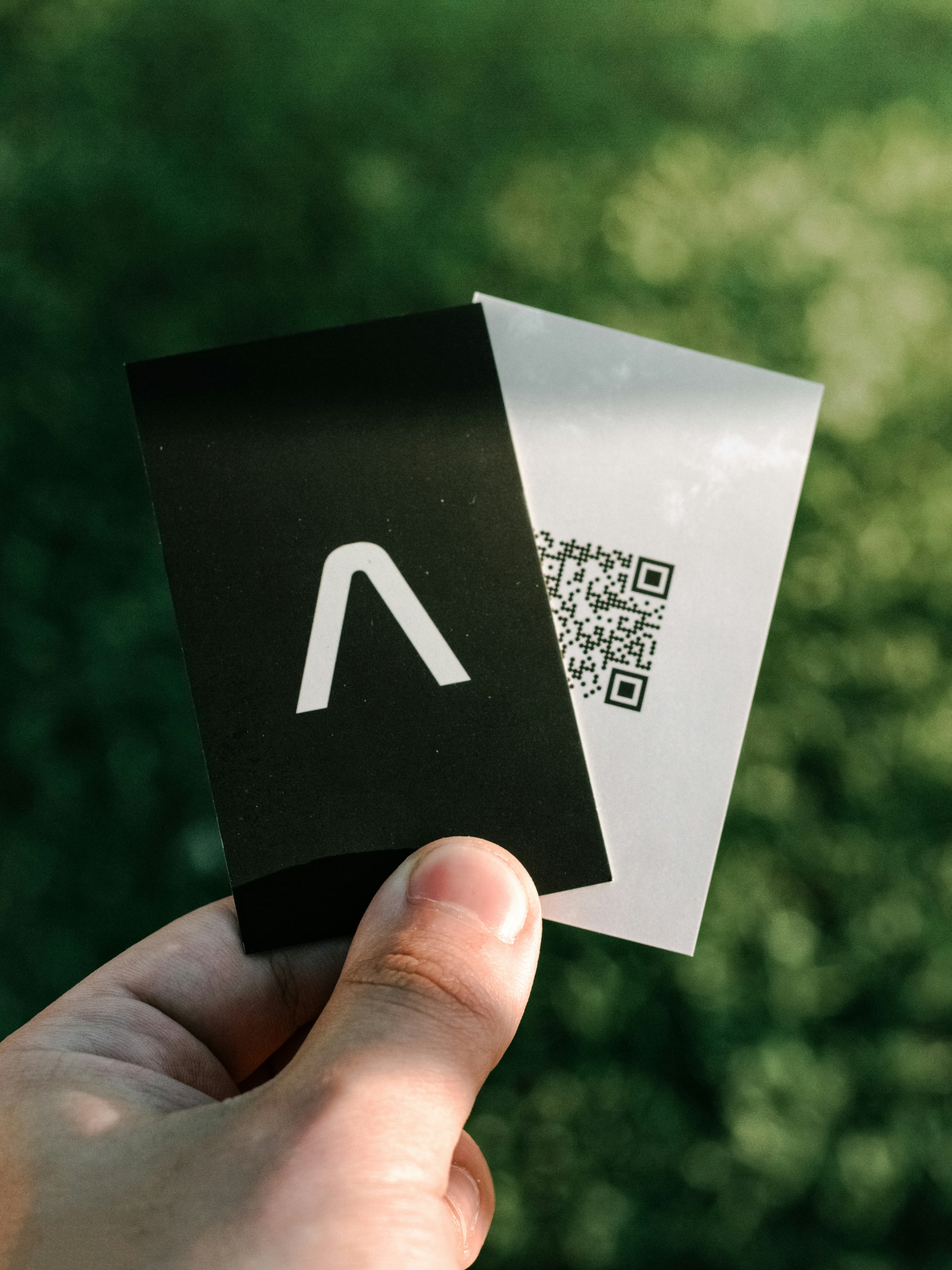
- Business cards (“Save my contact + see my work”)
- Product packaging (“Reorder or review”)
- Vehicle signage (“Get a quote”)
- Flyers and print ads (“Learn more”)
Example: A Pretoria landscaping company puts QR codes on their vehicle wraps: “Love this garden? Scan for free quote.” They generate qualified leads just from people seeing their vehicles at job sites or in traffic.
Online Discoverability
Customers search for you online but can’t easily take the next step. Your website has a “Contact Us” page with a form that no one fills out. Your social media has a link to your homepage where people get lost.
The solution: Clear, frictionless calls-to-action everywhere.
What to fix:
- Instagram/Facebook bio: Replace generic website link with a shortlink to a landing page with clear options
- Google Business Profile: Add booking link, menu link, or quote request link
- WhatsApp Business: Make your WhatsApp number clickable everywhere with pre-filled messages
- Email signature: Add a clear CTA with a shortlink
Example: A Cape Town hair salon changed their Instagram bio from a generic website link to a simple landing page: “Book Your Appointment - Choose Your Service - Pick Your Time.” Instagram-driven bookings increased dramatically.
Phase 2: Capture and Organize Customer Data
Once customers can find you easily, the next phase is capturing their information so you can follow up and build relationships.
The Lead Capture System
Customers express interest but you have no way to follow up. They visit your store, browse, and leave. They click your Instagram link, look around, and disappear.
The solution: Strategic lead magnets that give customers a reason to share their contact information.
Lead magnet ideas by business type:
Retail: “Join our VIP list - First access to sales + discount”
Services: “Free consultation + quote - Book in 60 seconds”
Restaurants/Cafés: “Join our coffee club - Every 10th coffee free”
Health/Wellness: “Free 7-day workout/meal plan”
Professional Services: “Free audit/assessment/consultation”
Example: A Johannesburg accounting firm offers a free guide: “10 Tax Deductions SA Small Businesses Miss.” They promote it with a QR code on their business cards and a shortlink in their email signature. They capture dozens of qualified leads per month—small business owners who are clearly interested in tax optimization.
Phase 3: Automate Follow-Ups Without Developers
The third phase is where digital transformation really pays off: automation.
The Power of Email Automation
You’re too busy running your business to manually follow up with every lead. People inquire, you respond, then you forget to follow up. Opportunities slip away.
The solution: Automated email sequences that nurture leads without manual work.
Basic automation sequences every small business should have:
1. Welcome Sequence (New Contact)
- Email 1 (Immediate): Welcome + deliver what they signed up for
- Email 2 (Day 2): Share your story + why you’re different
- Email 3 (Day 4): Customer success story or testimonial
- Email 4 (Day 7): Clear offer with deadline
2. Post-Purchase Sequence
- Email 1 (Immediate): Order confirmation + what to expect
- Email 2 (Day 3): “How’s it going?” + usage tips
- Email 3 (Day 14): Request review or testimonial
- Email 4 (Day 30): Cross-sell or upsell related products/services
Example: A Stellenbosch wine farm implements a post-visit sequence. When someone visits and signs up (via QR code at the tasting room), they automatically receive: thank you email, wine pairing guide, exclusive online shop discount, invitation to next tasting event. This sequence drives significant online wine sales monthly from people who visited the farm.
3 SA Small Business Case Studies
Case Study 1: Boutique Clothing Store (Cape Town)
Challenge: Competing with online retailers and big mall stores. Foot traffic declining.
Digital transformation:
- Created QR codes for store window and clothing tags
- Updated Instagram bio with shortlink to landing page
- Built email list through “VIP Styling Club” offer
- Set up automated welcome sequence
Results: Significant after-hours online sales, hundreds of email subscribers, increased overall revenue despite declining foot traffic.
Investment: R99/month (Rytinco) + R299/month (email tool) = R398/month
Case Study 2: Mobile Mechanic (Johannesburg)
Challenge: Relies on word-of-mouth. No systematic lead generation. Spends hours daily on phone calls.
Digital transformation:
- Created QR code for vehicle signage linking to quote form
- Built simple landing page with service request form
- Set up automated quote response
- Created shortlinks for different services
Results: Dozens of new leads monthly from vehicle QR code, reduced phone time dramatically, higher conversion rate.
Investment: R99/month (Rytinco) = R99/month
Case Study 3: Coffee Shop (Pretoria)
Challenge: Inconsistent foot traffic. No customer loyalty program. Competing with chain coffee shops.
Digital transformation:
- Created QR codes for tables: “Join our Coffee Club”
- Implemented digital stamp card
- Set up automated welcome email
- Created weekly “Coffee Club Exclusive” email
Results: Over a thousand Coffee Club members, significantly increased repeat customer rate, higher average visit frequency for members, increased monthly revenue.
Investment: R99/month (Rytinco) + R200/month (email) = R299/month
Your 30-Day Transformation Sprint
Week 1: Quick Wins
- Set up Rytinco and create your first landing page
- Generate your first QR code and place it in one high-traffic location
- Update Instagram/Facebook bio and email signature with shortlinks
Week 2: Capture Leads
- Create your lead magnet offer
- Deploy lead capture QR codes in strategic locations
- Create a simple welcome email
Week 3: Automate Follow-Up
- Set up email marketing tool
- Build your first automation (welcome sequence)
- Test it by signing up yourself
Week 4: Expand and Optimize
- Add more QR codes for different locations/purposes
- Analyze what’s working
- Plan next month’s improvements
Final Takeaway
Digital transformation for small businesses isn’t about spending more money. It’s about spending smarter. It’s not about complicated enterprise software. It’s about solving simple problems: making it easier for customers to find you, capturing their information, and following up consistently.
The South African small businesses winning in 2026 aren’t the ones with the biggest budgets. They’re the ones that made it ridiculously easy for customers to take action—with QR codes that eliminate friction, landing pages that convert interest into leads, and automation that handles follow-up without manual work.
You don’t need to transform everything overnight. Start with one high-impact change. Measure the results. Then add the next one.
Ready to start your digital transformation?
Start free with Rytinco and get everything you need: dynamic QR codes, branded shortlinks, and landing pages—all for R99/month. No technical skills required.
Or contact our team to discuss a digital transformation roadmap tailored to your business.
Digital transformation doesn’t require an enterprise budget. It requires a smart plan and the right tools. You can start today.
Want to explore specific tactics? Check out our guides on Dynamic QR Codes, Social Media Management, and Retail Marketing Strategies.